Experience history from the ground up, in the voices of those who have lived it. We are a community archive & mapping project documenting historic communities of color, working people, and LGBTQ+ individuals in Riverside and San Bernardino.
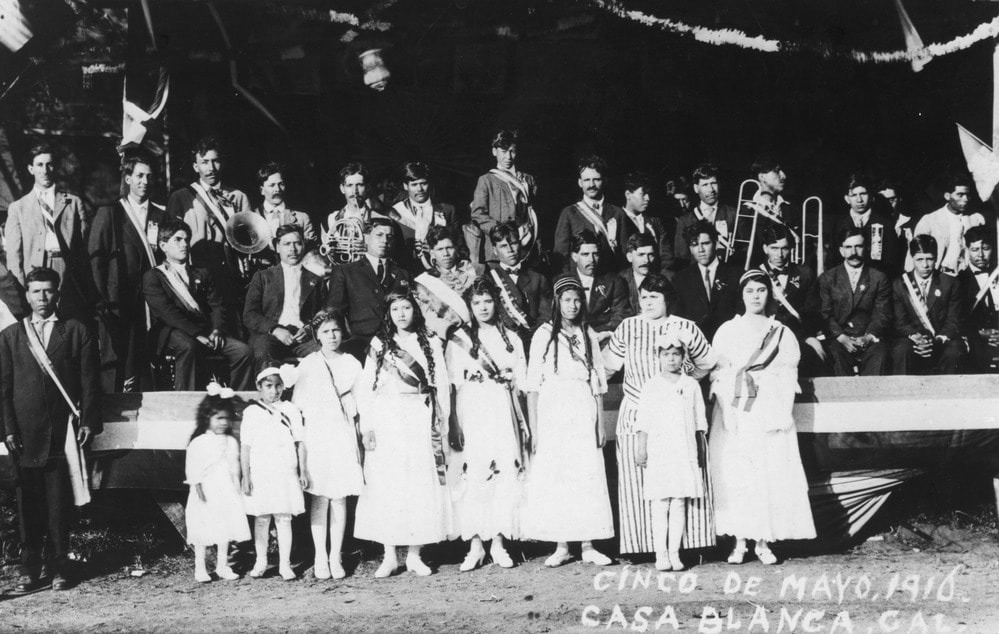
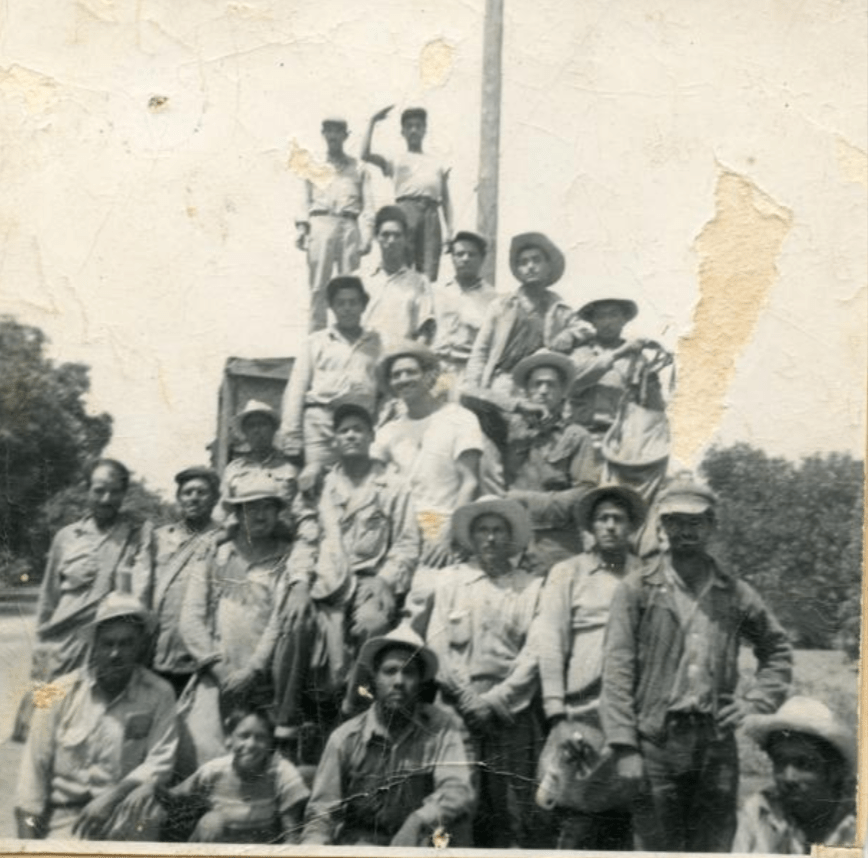
How did Latinx Riversiders Create a Thriving Community at the Beginning of the 20th Century?

3 Day Lesson Plan, 55 minutes each day

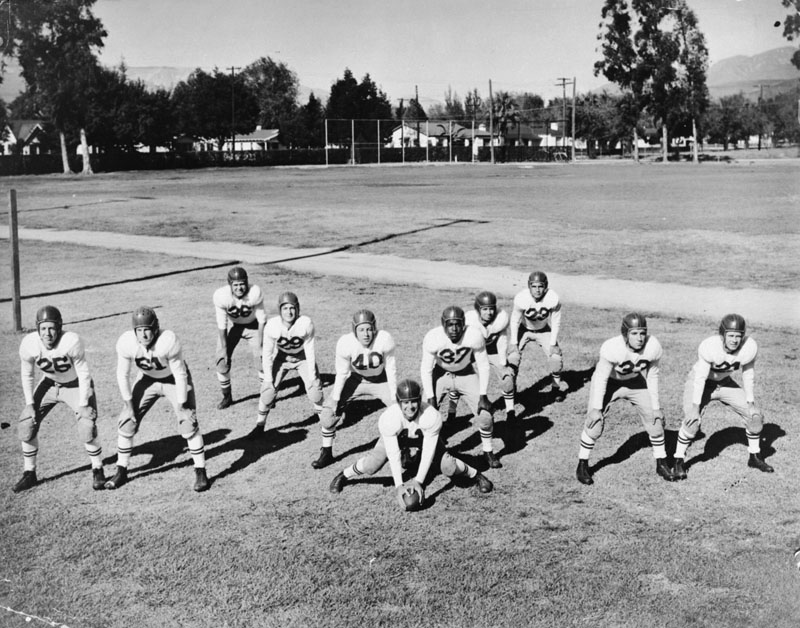
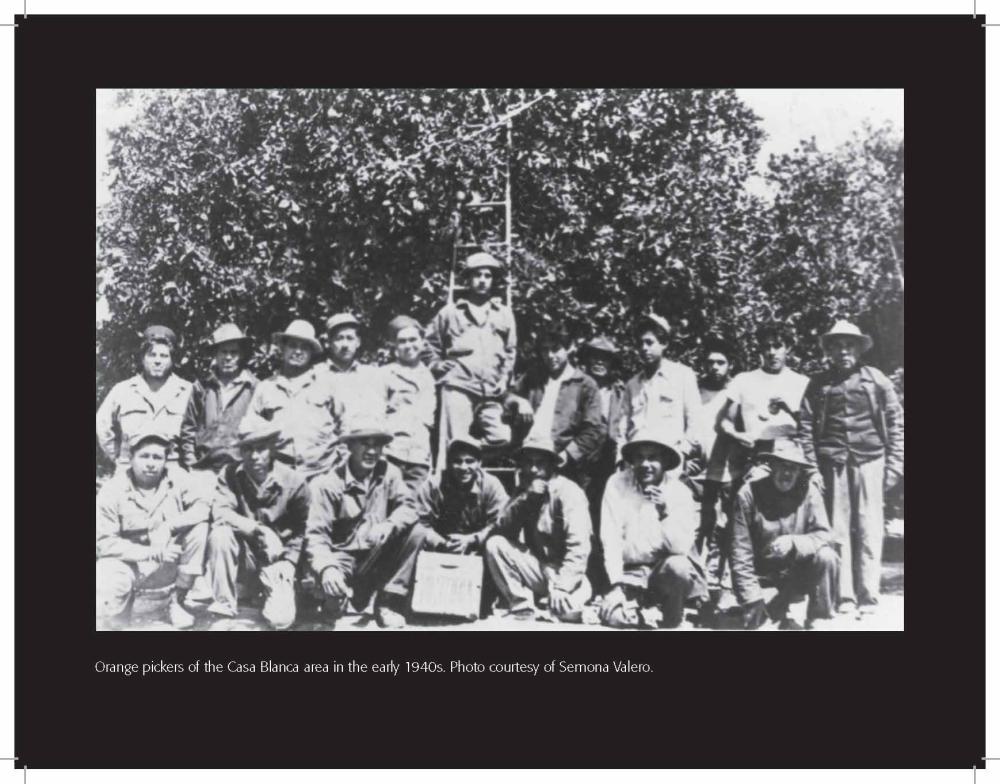
Despite a dominant narrative that labeled the community as a “problem” and systems of oppression like forced deportation, redlining, and school segregation, Riverside’s Latinx community engaged in transformational resistance to build a thriving community from 1900-1950. It used methods such as placemaking via community organizations, pursuing economic independence, holding culturally-affirming events, and claiming space through recreation, religious worship, and military service to actively resist.

Grade 11 History Latina/o/x

How can we continue to help preserve our communities’ stories?

55 Minutes

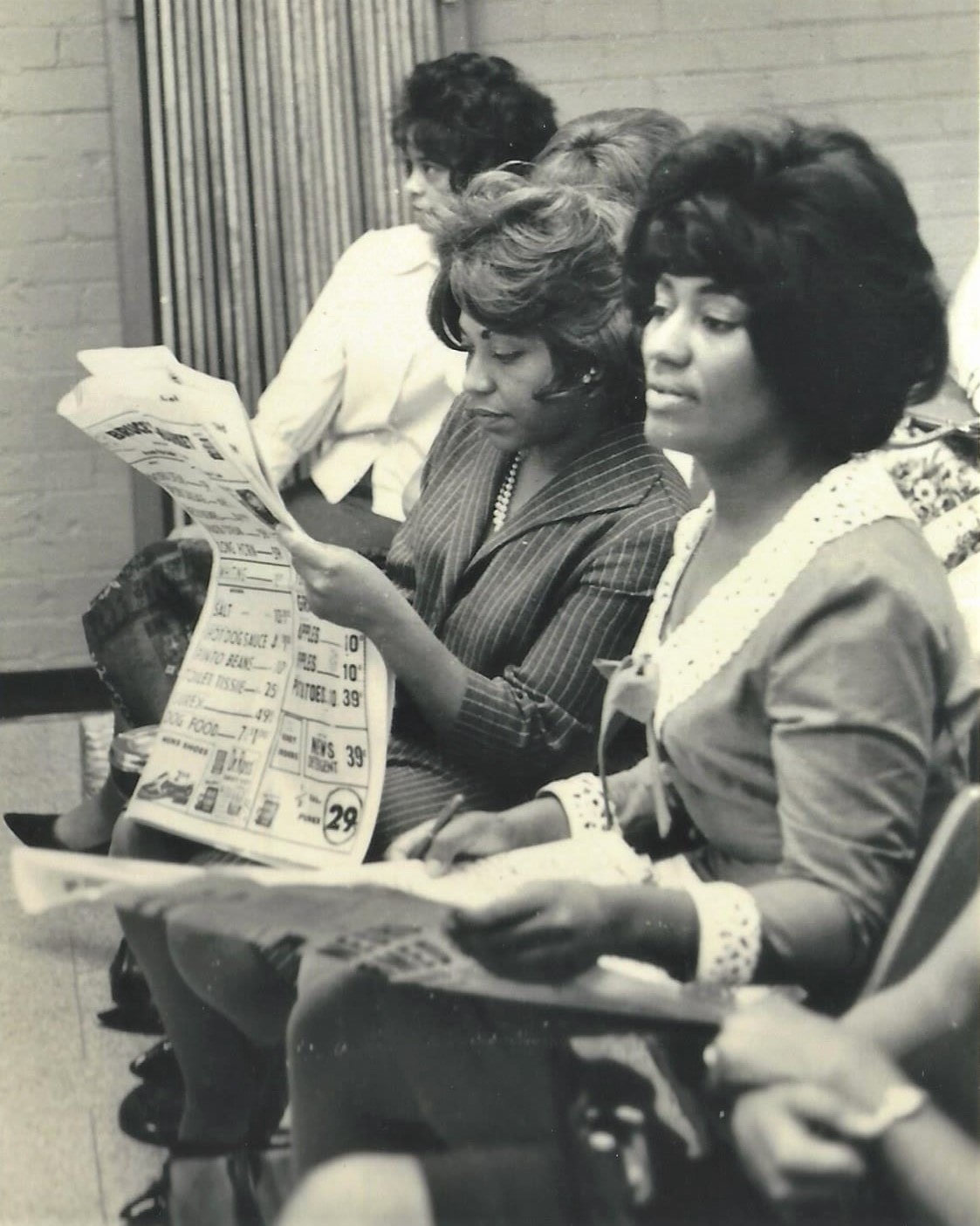
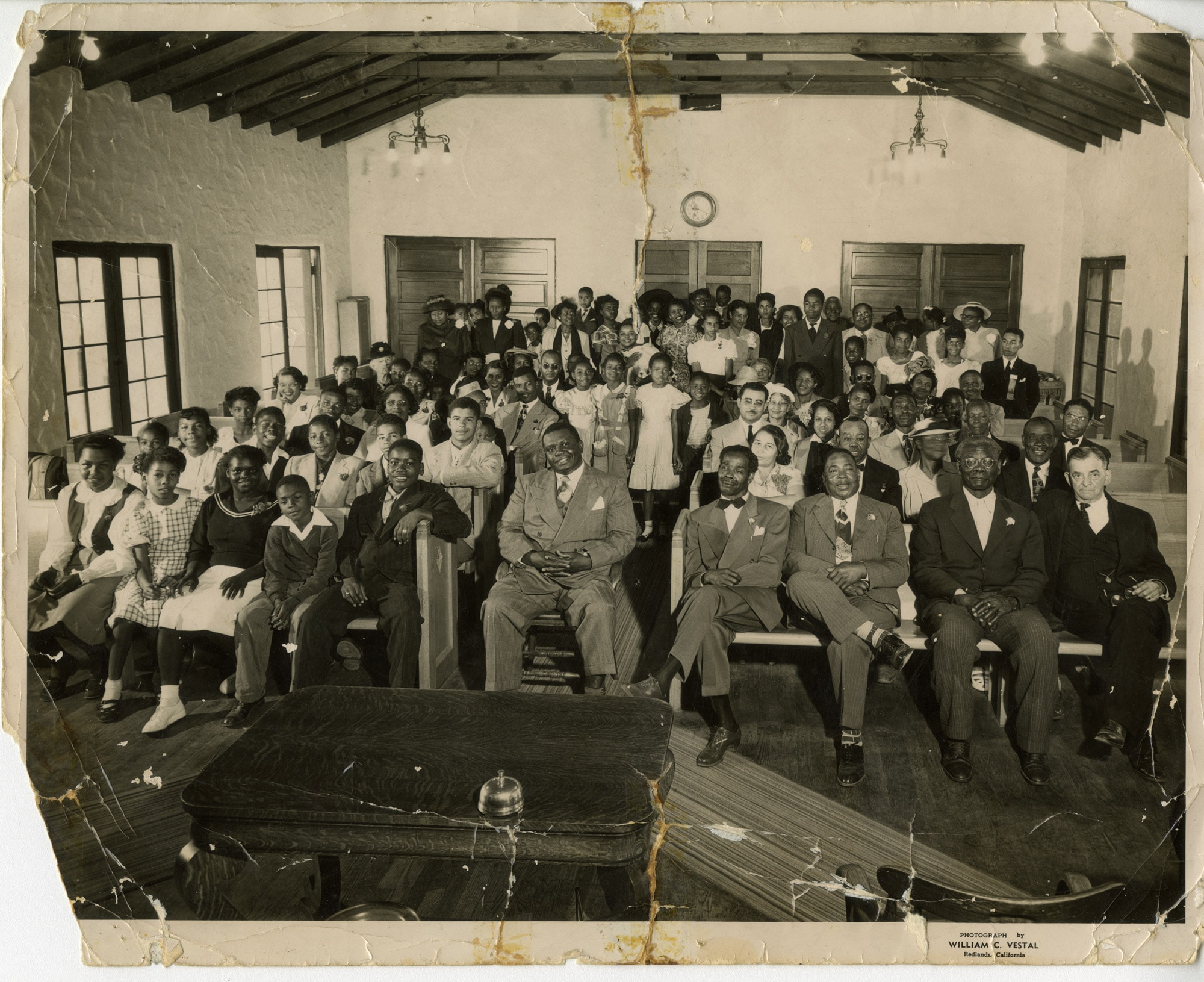
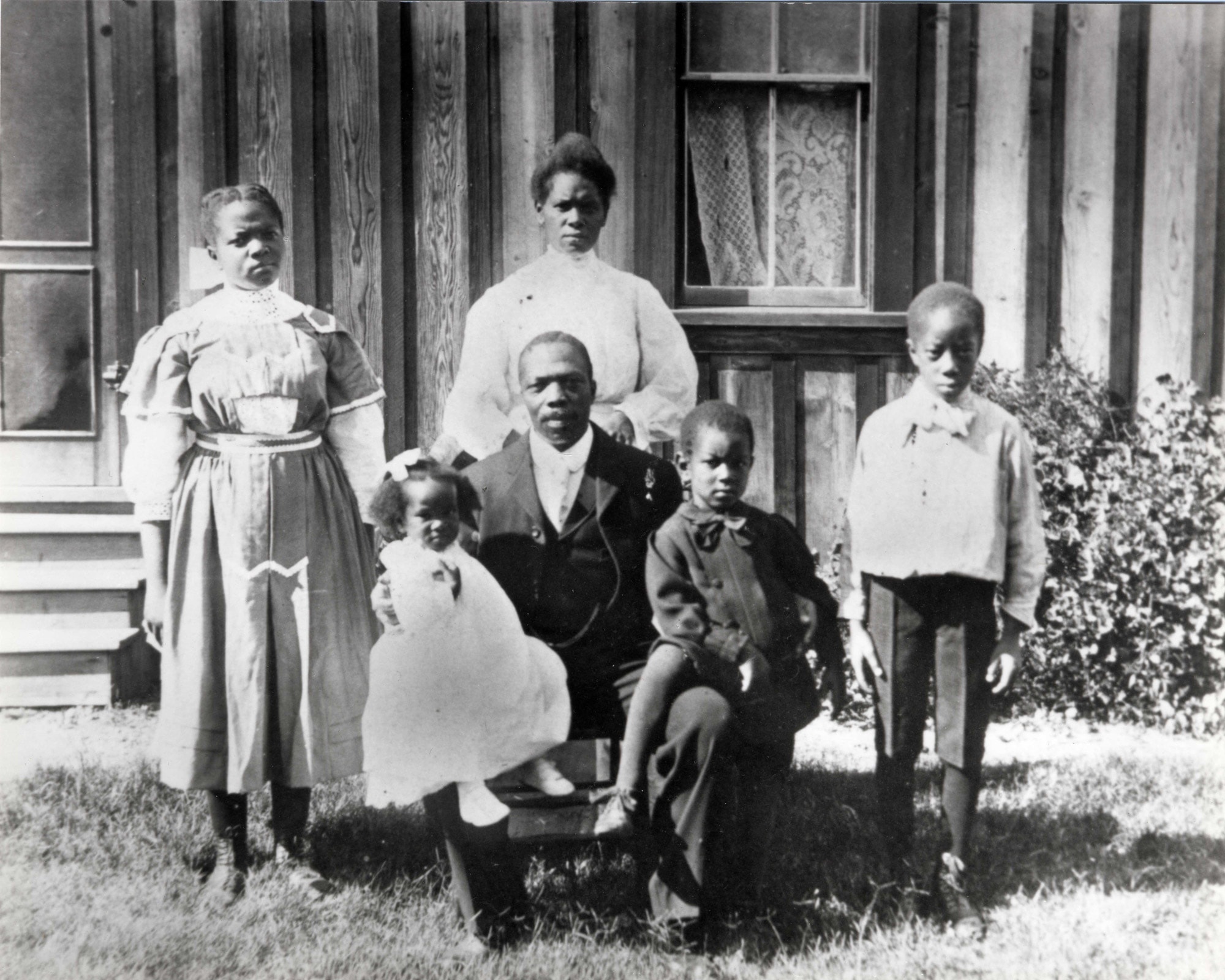
Students will examine oral histories and pictures showing community members from A People’s History of the Inland Empire Story Maps and Bridges That Carried Us Over oral history collection. This collection examines the great migration of African Americans to California from 1940-1960. This lesson also focuses on how people build community when they move to new places and the impact the Great Migration had on the Inland Empire today. The students will look at examples of how community is created and continued.

Grades 3–4 History

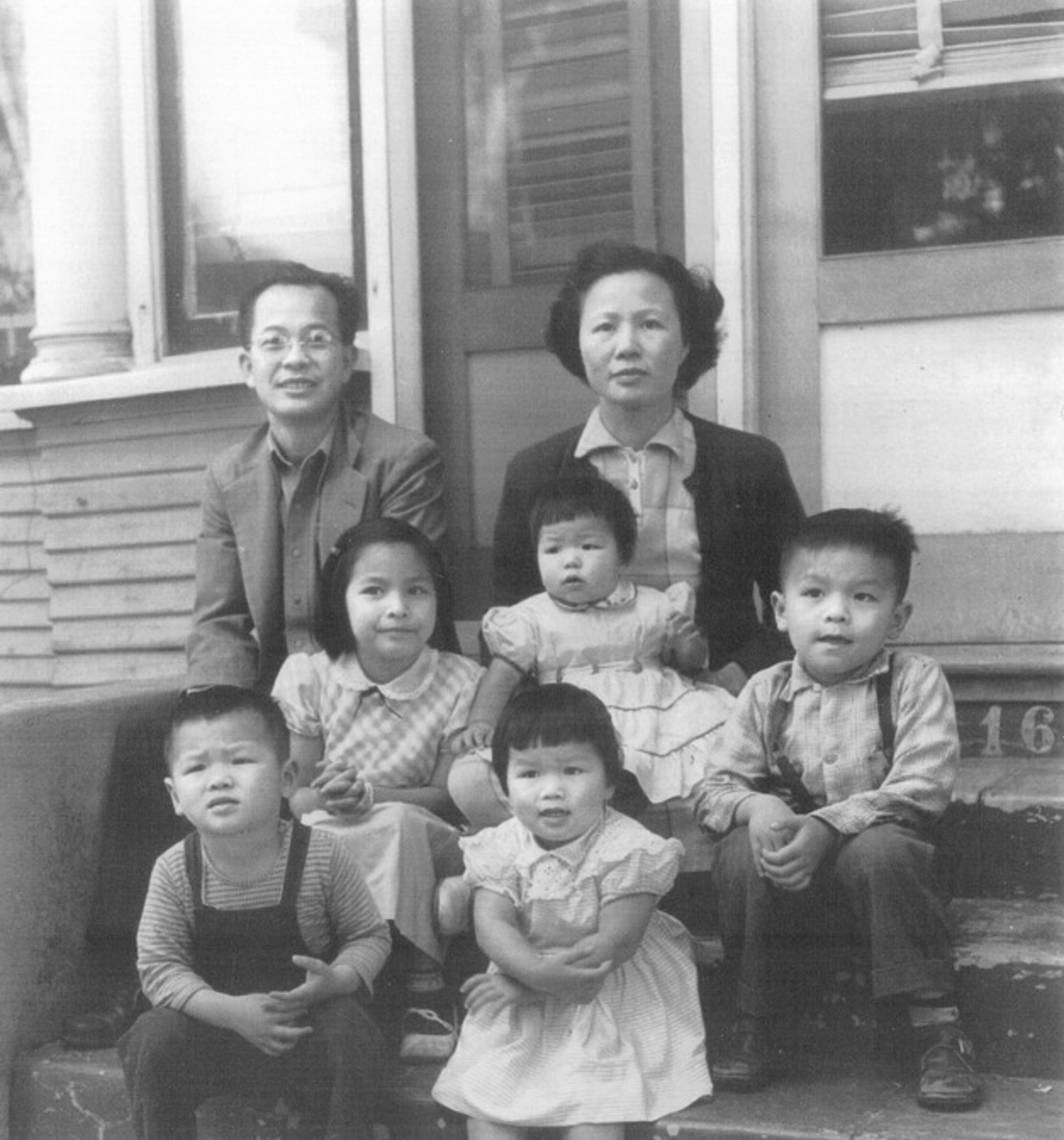
Harada Family: House on Lemon Street

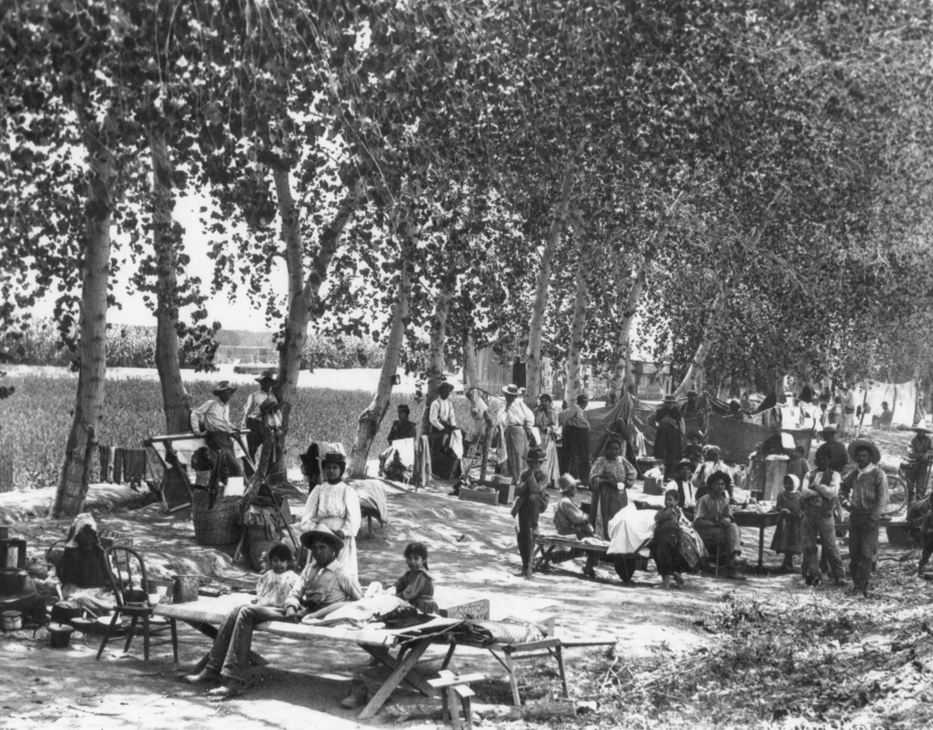
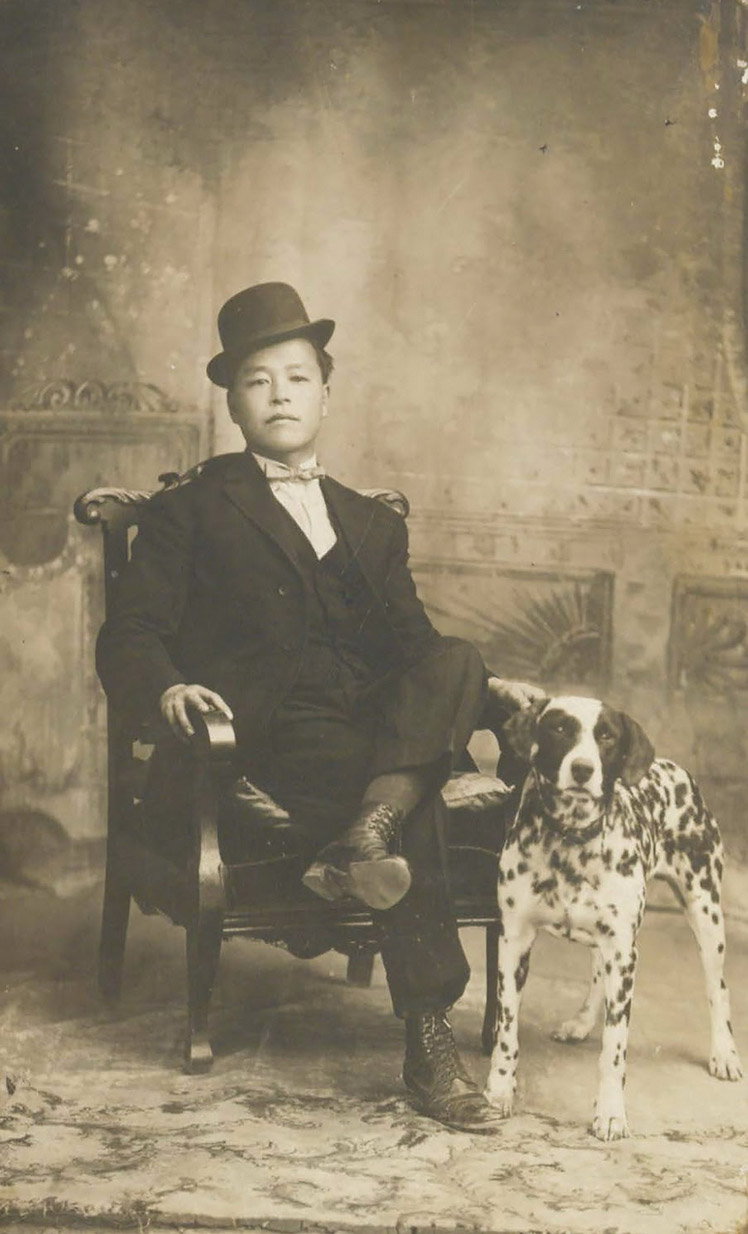
This lesson plan provides students the opportunity to use local primary sources to learn about Japanese immigration in the late 19th and early 20th century and the ways California and federal laws created land ownership barriers for Japanese Americans. Students will learn how the Harada family in Riverside challenged racial housing restrictions and ultimately launched a historic legal court case that reaffirmed the rights of American-born children of immigrants were entitled to all the constitutional guarantees of citizenship under the 14th Amendment to the U.S. Constitution, including land ownership. The lesson plan provides a way to connect local history to national laws like the 1790 Naturalization Act (which excluded non-white immigrants from becoming citizens), the 14th Amendment, and the 1913 CA Land Law.

Asian American Civil Rights Ethnic Studies Housing Immigration Riverside

What did housing segregation look like in the Inland Empire in the 1920s-1970’s?

55 Minutes

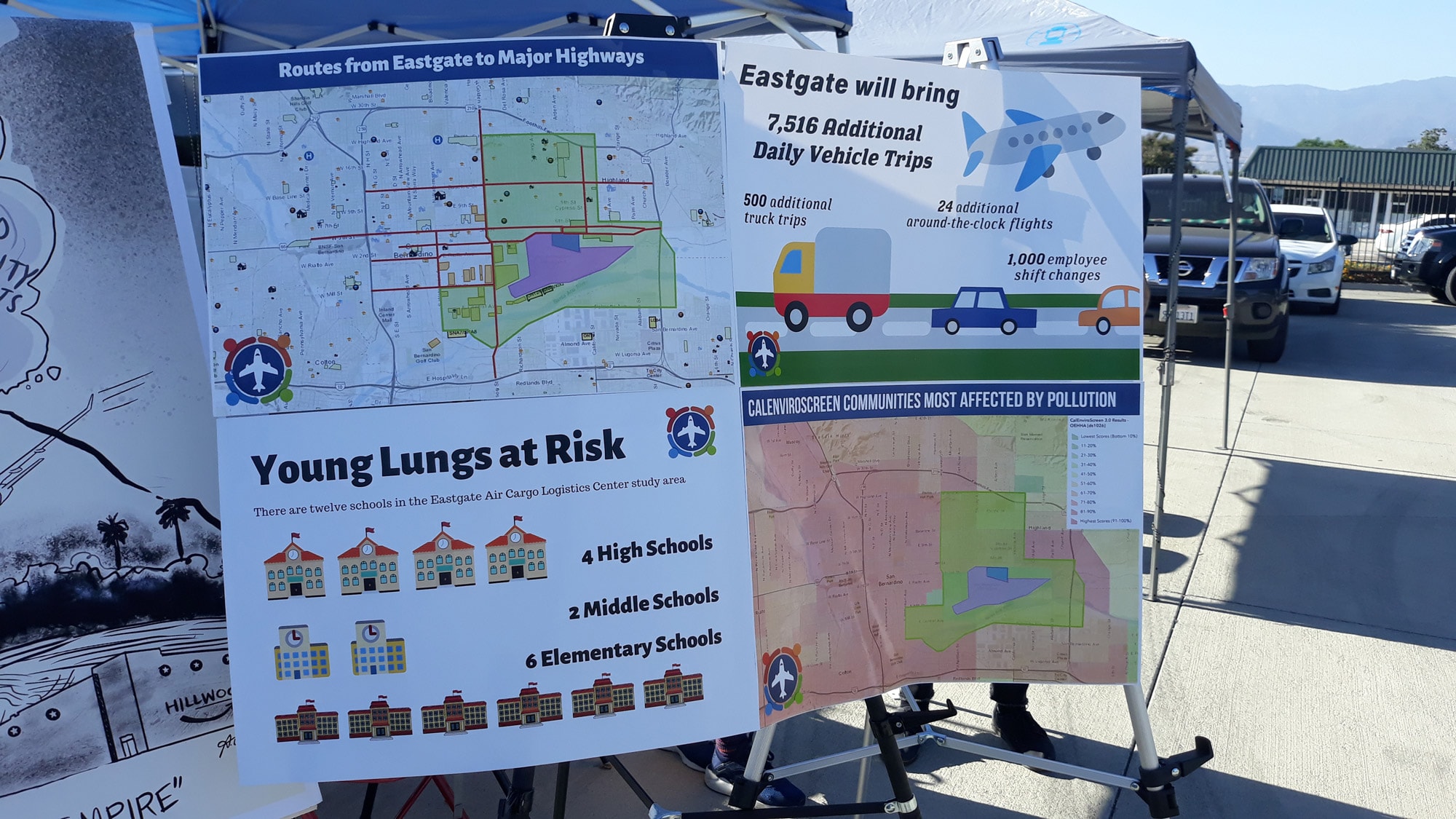
Students will learn about housing segregation and its effects on Black communities across the country. Students will then explore primary source documents regarding housing segregation in the Inland Empire from 1920-1970. Students will synthesize the information to write a paragraph answering the questions – What did housing segregation look like in the Inland Empire and how do you think this history may have affected the communities you live in today?

Ethnic Studies Grade 12 History Segregation
Loading...

You've reached the end of this archive

No more pages to load