Native American

Building Spaces of Belonging, Resistance & Care in the IE

4-day lesson (55-minute class periods)

How have Inland Empire communities built and sustained spaces of belonging, resistance, and care across generations? Students use historical images from Riverside’s Eastside to explore the concept of spatial entitlement, the idea that marginalized communities have the right to claim and shape space for belonging, resistance, and care. Students will learn the concept of spatial entitlement through  personal reflection, an analysis of Orange Valley Lodge, and the study of sonic spaces inspired by Gaye Theresa Johnson’s Spaces of Conflict, Sounds of Solidarity. Students will then research a local Inland Empire space and creating a historical “postcard” that illustrates how the site embodies spatial entitlement. The lesson culminates with a peer postcard exchange and analysis, deepening their understanding of local histories and the power of place.

African American Asian American Business Community Leaders Ethnic Studies Latina/o/x Native American Riverside

Historical Markers & Sacred Sites: Pá’čapa & Mt Rubidoux

2-3 Days (55 minute classes), 11-12 Grade

Which sites are remembered, how are they remembered, and who has the power to decide? In this multi-day lesson, students will look at historical markers and sacred sites in order to explore concepts of colonialism, displacement, and forced assimilation and their impact on Southern California Native people. Students will examine how sites like Pá’čapa or Mt Rubidoux are remembered and have the opportunity to write/rewrite a historical marker that centers the indigeneity of the Inland Empire and proximal areas.

Ethnic Studies Native American Riverside

Reimagining Citrus Labels

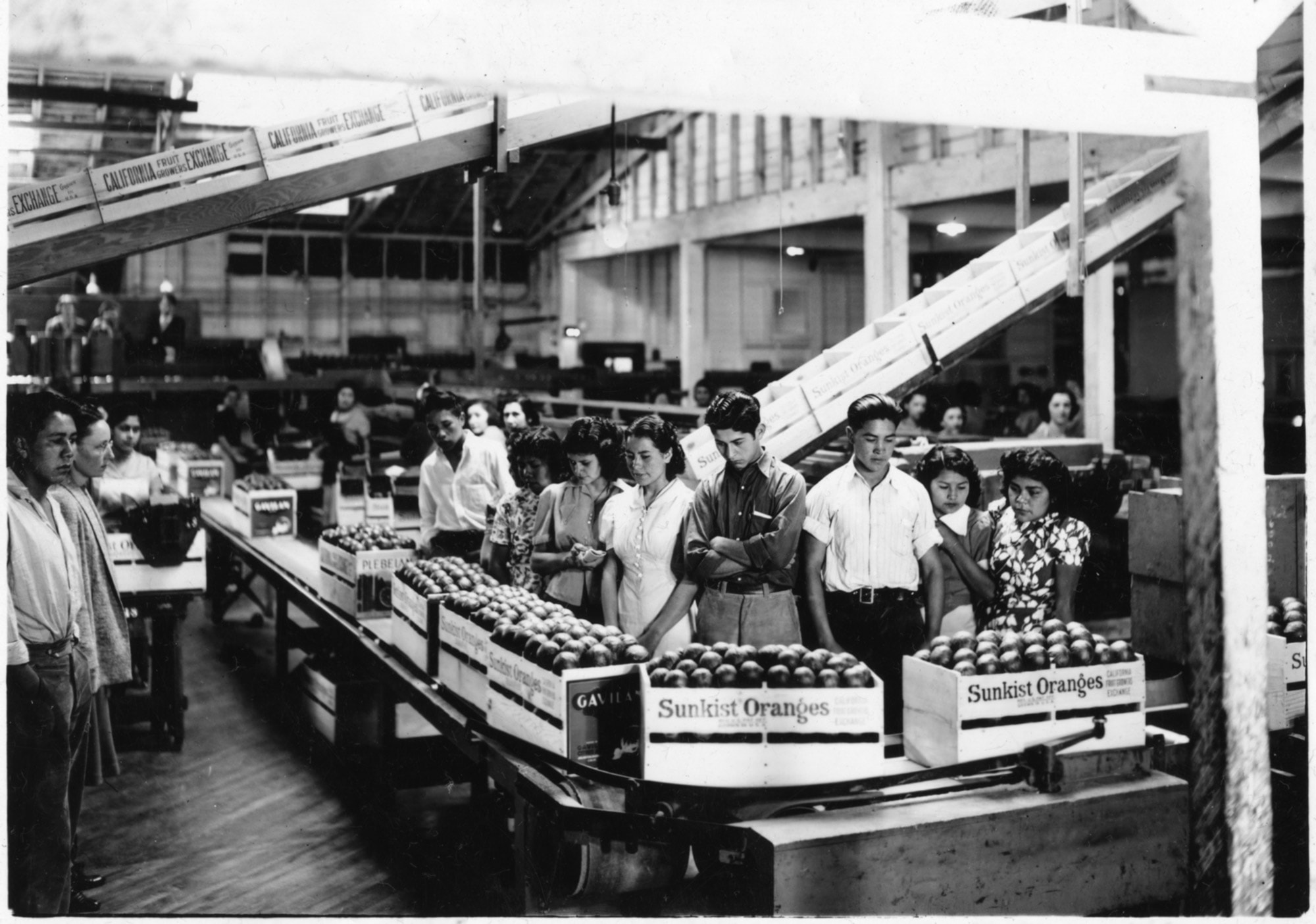
In this lesson, students will learn how citrus crate labels often tell an inaccurate history of the land and those who worked it. Through audio, visual, and other archival materials, students will see that the labor that went into making the citrus industry an empire was built on the backs of exploitation and colonization, but communities of color resisted and continue to resist to this day, not only advocating for accurate history to be told but that communities of color should also be the ones centered in telling this stories. At the end of the lesson, students will create and design their own crate label as a creative counter-narrative to tell a more accurate story of the land and labor of the Inland Empire.

Citrus Ethnic Studies Immigration Labor Native American
Loading...

You've reached the end of this archive

No more pages to load