San Bernardino

Equal Access to Public Pools

2 Days (55 Minute Classes), 11-12 Grade

In what ways does having access to public pools impact a community? Students will learn about the creation of public pools and the challenges presented to equal access by exploring historic access to pools in three Inland Empire cities: the Fairmount Park Plunge in Riverside during the 1920s, the Sylvan Plunge in Redlands in the 1930s, and the Perris Hill Plunge in San Bernardino during the 1940s.  Students will identify why having access to a public pool was important then and now – and how it impacts individuals and the community. Finally, students will research and map access to public pools in their own community to analyze current needs.

African American Civil Rights Latina/o/x Redlands Riverside San Bernardino Segregation

Community Food Spaces, Cultural Wealth & Resilience

2 Days (55 Minute Classes), Grade 11-12

How do community food spaces reflect cultural wealth and resilience? Students will learn about the almost century-long history of Mitla Cafe in San Bernardino, California founded in 1937 by Lucia Rodriguez, and explore the historical significance of the space as a community hub, site of politics, and celebration. From sponsoring student historical theatre and community meals such as Feed the IE to hosting civil rights leaders like Cesar Chavez, Mitla’s significance in the community is historic and ongoing. Students will discuss the geographical and institutional challenges faced by Mitla Cafe, such as redlining, segregation, freeway infrastructure, and highlight the resilience that allowed cultural wealth to thrive, such as lowrider cruising, the cafe as a civil rights center, and community events for West San Bernardino. As extension activities, students can also learn about Glen Bell and the founding of Taco Bell (1964), as it relates to Mitla Cafe and Taco Tia (1954)  in Redlands and San Bernardino.

Activism Business Ethnic Studies Latina/o/x San Bernardino

Baseball & Civil Rights

2 Day Lesson (55 Minute period), Grade 9-12

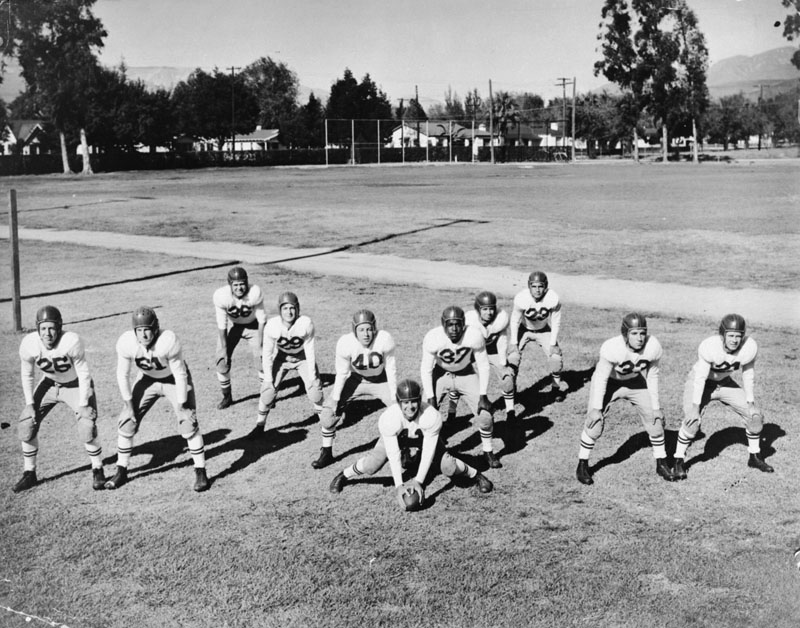
How did Baseball help forge community ties and a strong sense of ethnic identity, pride, and power that was necessary for the fight for civil rights? Students will explore the impact of segregation on communities of color, with a particular focus on the Latino community in the Inland Empire region of Southern California. Students will analyze an excerpt from the book Mexican American Baseball in the Inland Empire, an oral history from South Colton and photographs highlighting Latino baseball and softball players during the era of segregation. Through critical discussion and analysis, students will develop a broader perspective on how segregation shaped everyday life and how the community resisted by forging community pride, support, and identity as they fought in the ongoing struggle for civil rights.


Civil Rights Colton Community Leaders Ethnic Studies Latina/o/x Riverside San Bernardino

School Desegregation in Riverside & San Bernardino

2-3 Days (55 minute classes), Grade 11-12

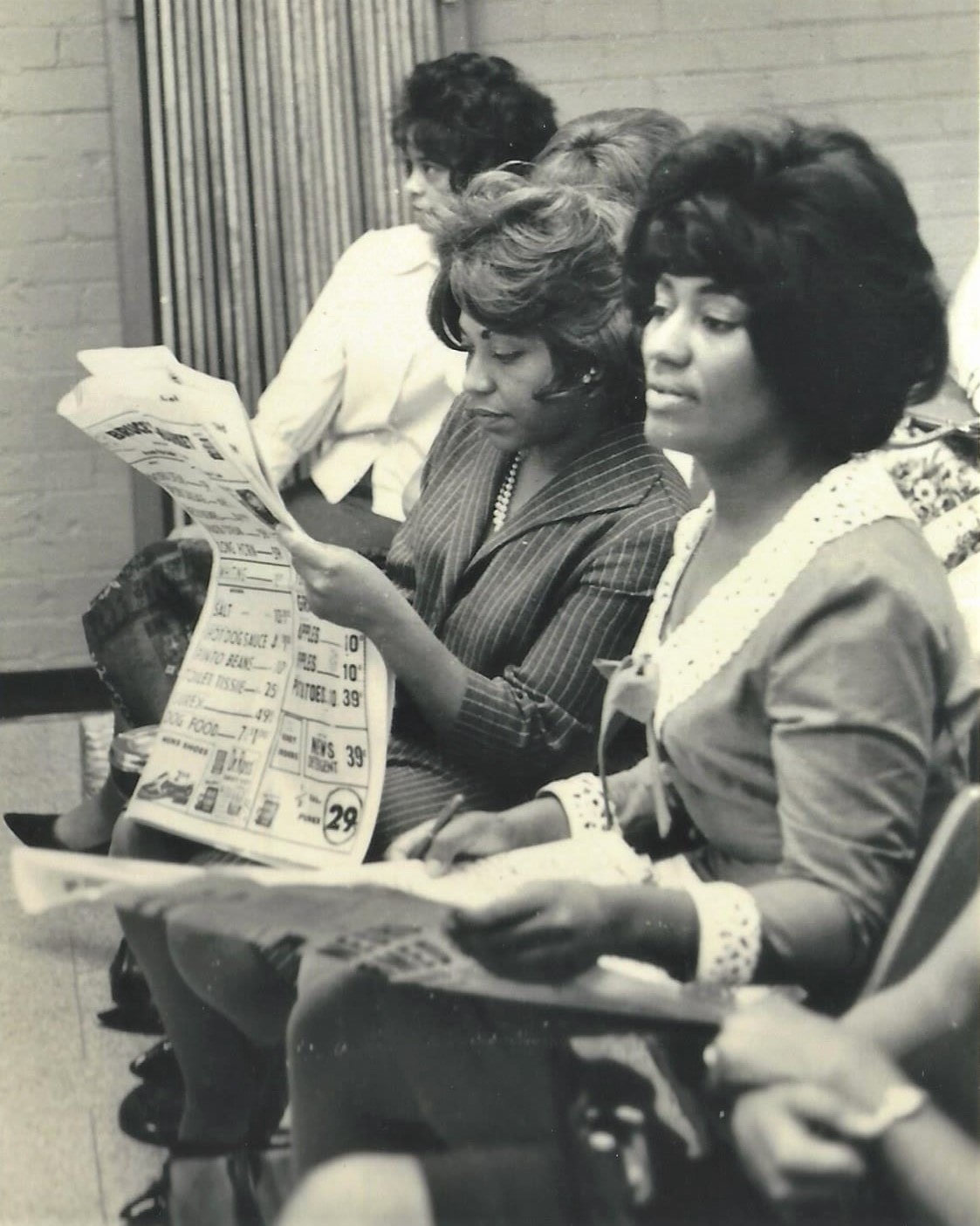
How did communities in Riverside and San Bernardino challenge educational segregation, and what do their efforts reveal about the ongoing struggle for educational justice? This lesson introduces students to the underrepresented history of educational segregation and resistance in the Inland Empire, particularly San Bernardino and Riverside. Students will analyze primary sources and maps, hear community voices, and interview elders to construct a more inclusive narrative of civil rights history. They will apply historical thinking concepts to assess the causes, consequences, and varied community responses to segregation and integration. Students will demonstrate their learning by selecting a method that best suits their learning style.

Civil Rights Education Ethnic Studies Riverside San Bernardino Segregation
Loading...

You've reached the end of this archive

No more pages to load